Picked for mid-latitudes, about 35° south and 40° north. Times are rough guides for mid-month.
Checked: dates checked for Oct 2026 to Jan 2027. Planet rise and set times and altitudes are approximate.
October 2026 (rest of month)
Checked. Altitudes and rise and set times are approximate.
Orionids: peak the night of 21 to 22 Oct, ZHR about 20, both hemispheres. Moon about 80% lit and waxing, so look after moonset.
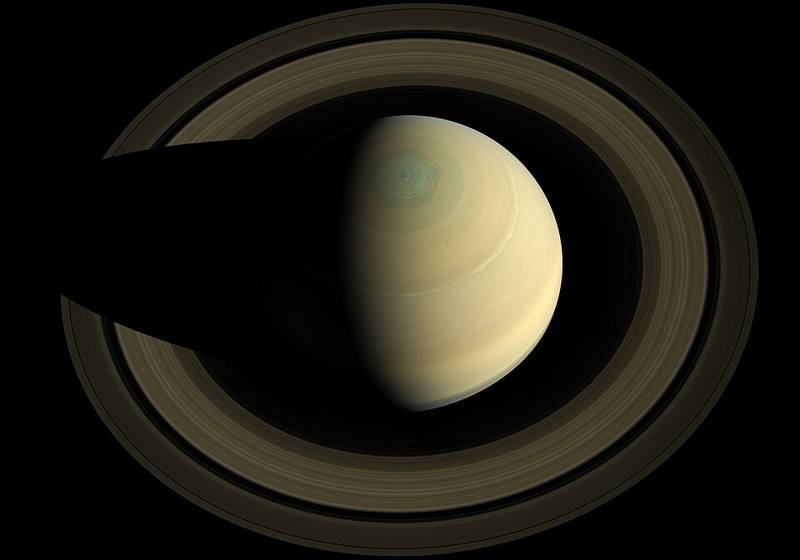
Saturn: just past opposition (4 Oct), up all night, highest around midnight.
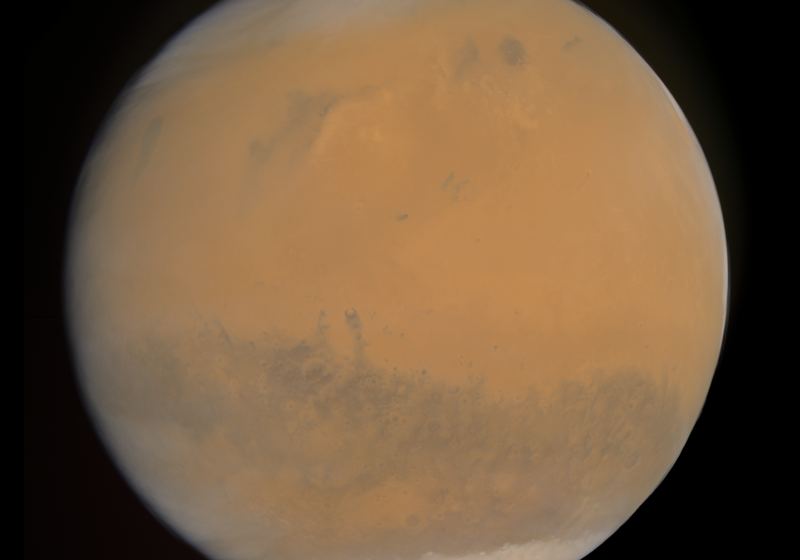
Mars and Jupiter: morning sky in Leo, forming a rough line with Regulus before dawn about 16 Oct. Mars is 6 degrees from Jupiter by 31 Oct, heading for a 1.2 degree conjunction on 16 Nov.
Mercury: greatest eastern elongation was 12 Oct, now fading in the evening twilight, better from the Southern Hemisphere. Venus: inferior conjunction 24 Oct, not visible.
Moon (UTC): New 10 Oct, FQ 18 Oct, Full 26 Oct (04:11), LQ 1 Nov.
Dark skies: crescent sets early about 15 to 17 Oct, bright Moon about 20 to 29 Oct, dark early evenings about 29 to 31 Oct, next full dark run about 2 to 14 Nov.
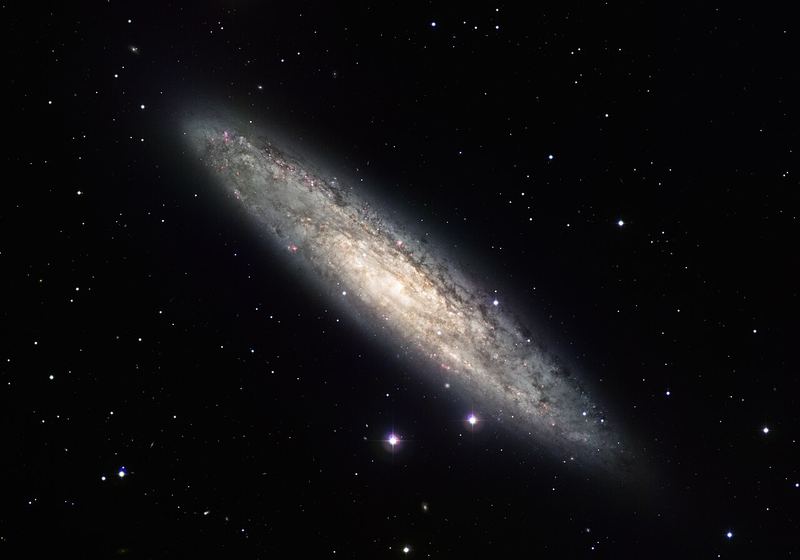
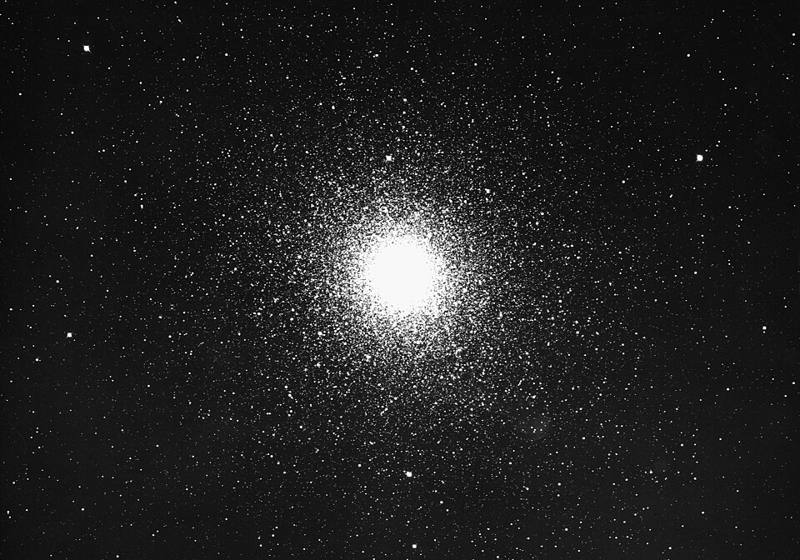
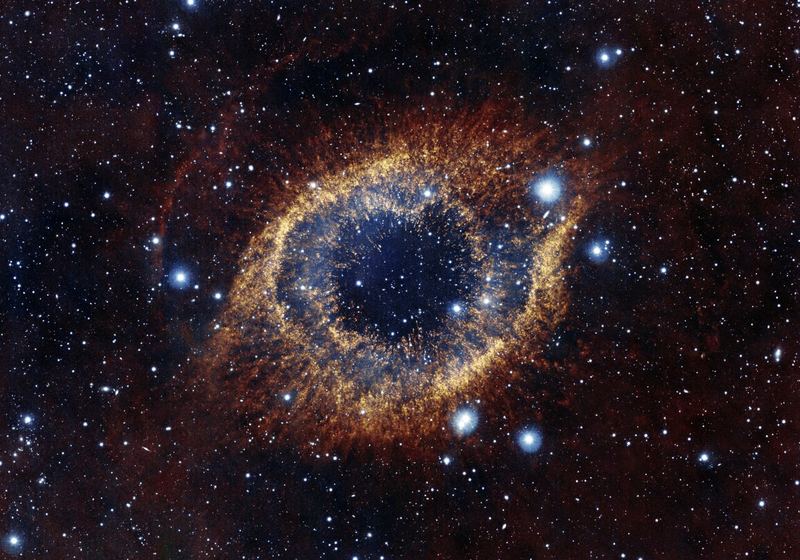
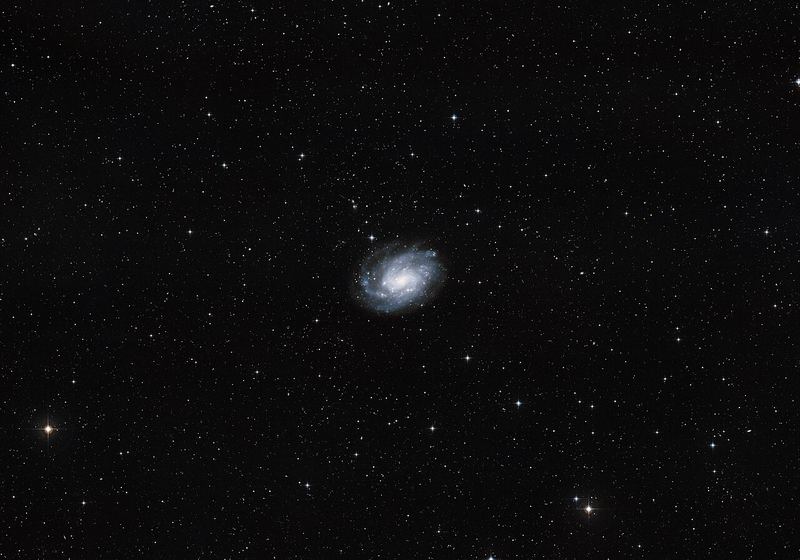
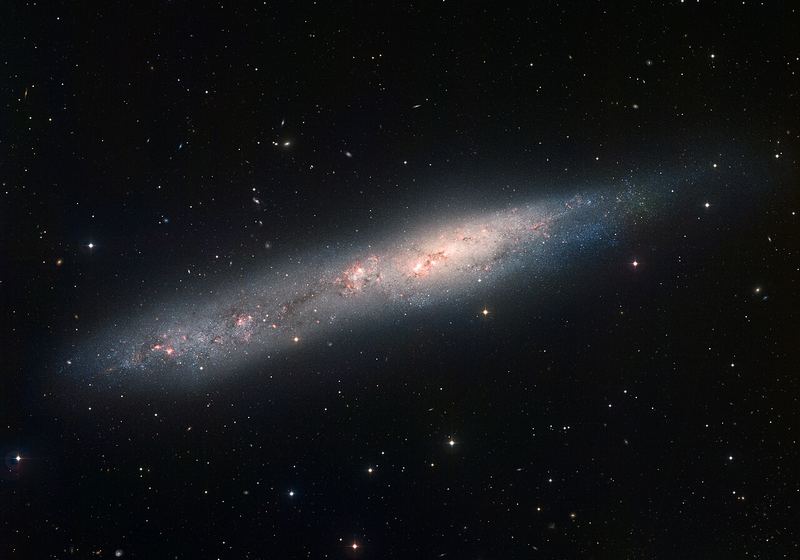
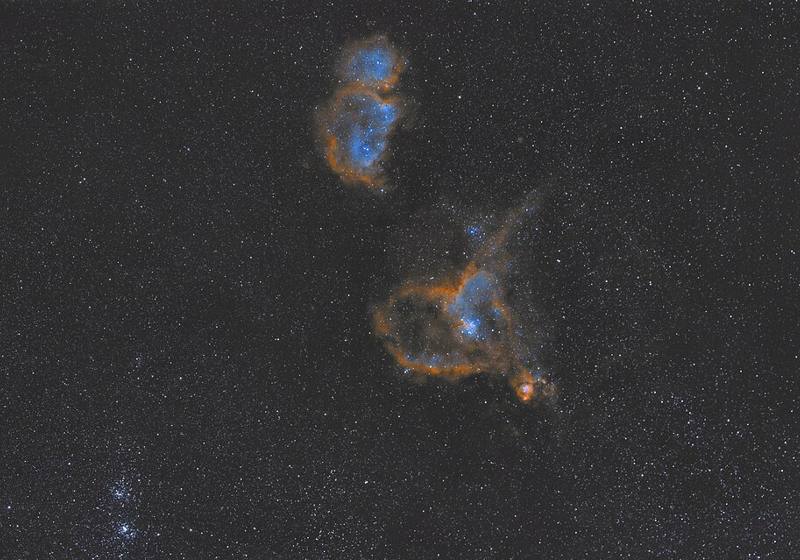
South deep sky: Sculptor Galaxy (NGC 253), 47 Tucanae and the SMC, Helix Nebula, NGC 300, NGC 55.
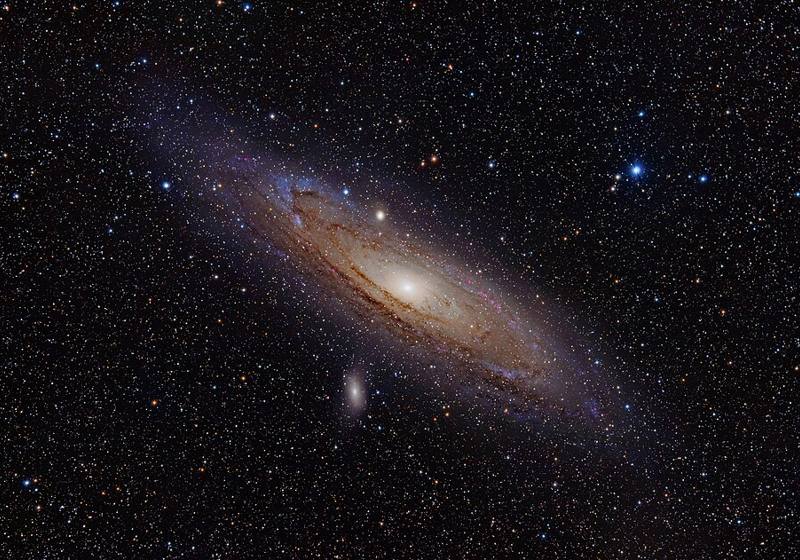
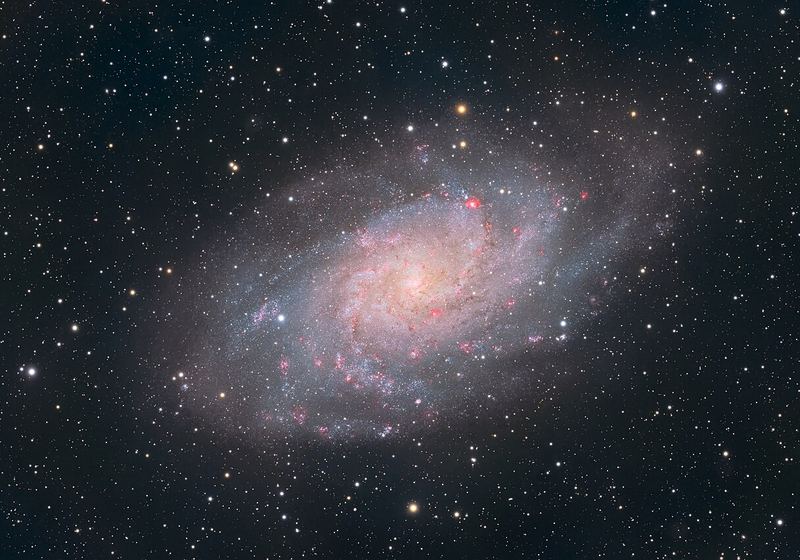
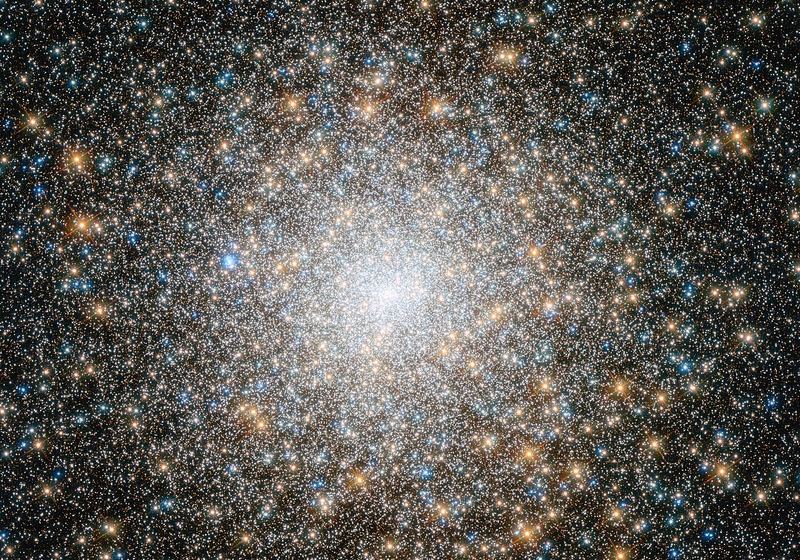
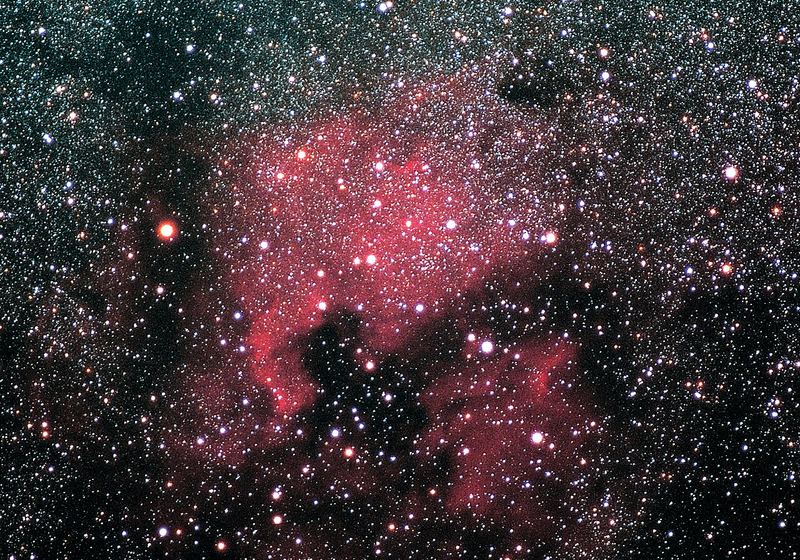
North deep sky: Andromeda Galaxy (M31), M33, Double Cluster, M15, North America Nebula (NGC 7000) low in the west.
November 2026 to January 2027
At a glance
Leonids: peak the night of 16 to 17 Nov.
Uranus opposition: 25 Nov 2026, binoculars show it as a faint blue-green star.
Geminids: night of 13 to 14 Dec, crescent Moon sets early.
Quadrantids: night of 3 to 4 Jan 2027, Northern Hemisphere only, Moon favourable.
Mars: brightening in the morning sky in Leo, 1.2 degree conjunction with Jupiter on 16 Nov, opposition 19 Feb 2027.
Jupiter: evening sky, opposition 11 Feb 2027. Saturn: evening Nov and Dec, lower in Jan.
Moon (UTC): Nov LQ 1, New 9, FQ 17, Full 24. Dec LQ 1, New 9, FQ 17, Full 24, LQ 30. Jan New 7, FQ 15, Full 22, LQ 29.
Best dark windows: about 2 to 16 Nov, 2 to 16 Dec and 1 to 14 Jan.
Planet rise and set times and altitudes are approximate.
Peak the night of 13 to 14 December under a waxing crescent that sets early, leaving dark skies after midnight (new Moon is 9 Dec). Best after midnight; rates are lower from the Southern Hemisphere but still worth it.
Rings visible in any small telescope. Opposition was 4 October 2026. Well placed in the evening in November and December, lower by January.
WhereW to NW, early evening
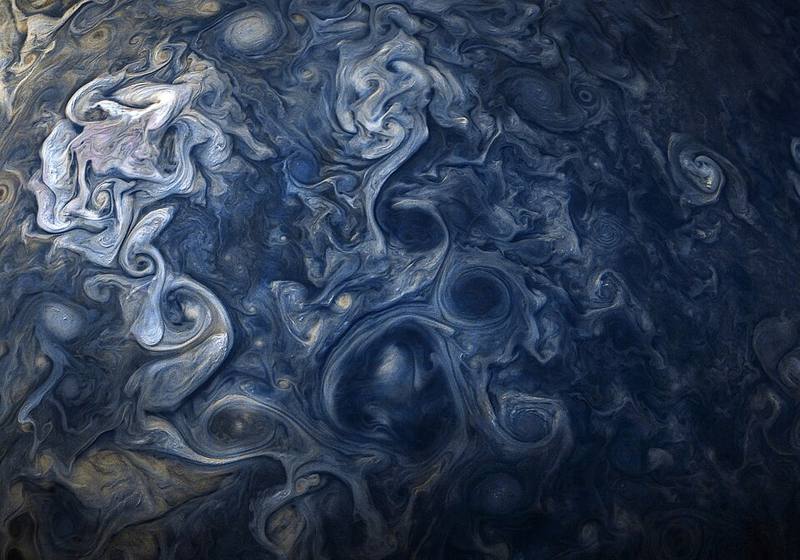
Image: NASA/JPL-Caltech/SwRI/MSSS/Gerald Eichstadt/Sean Doran. PIA21972 Jupiter Blues, Public domain, via Wikimedia Commons.
Planet
Jupiter
Four moons in binoculars, cloud bands in a small telescope. Climbing into the evening sky through November to January, ahead of opposition on 11 February 2027.
WhereE, evening
Pick your sky
October targets for your hemisphere
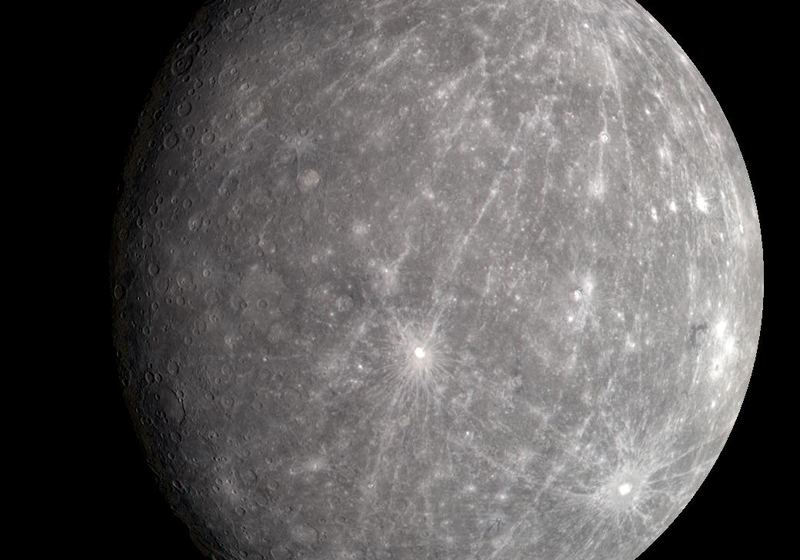
Image: NASA/Johns Hopkins University Applied Physics Laboratory/Arizona State University/Carnegie Instituti. Mercury in true color, Public domain, via Wikimedia Commons.
Planet
Mercury
Past greatest elongation (12 Oct) and fading. A better showing from the south.